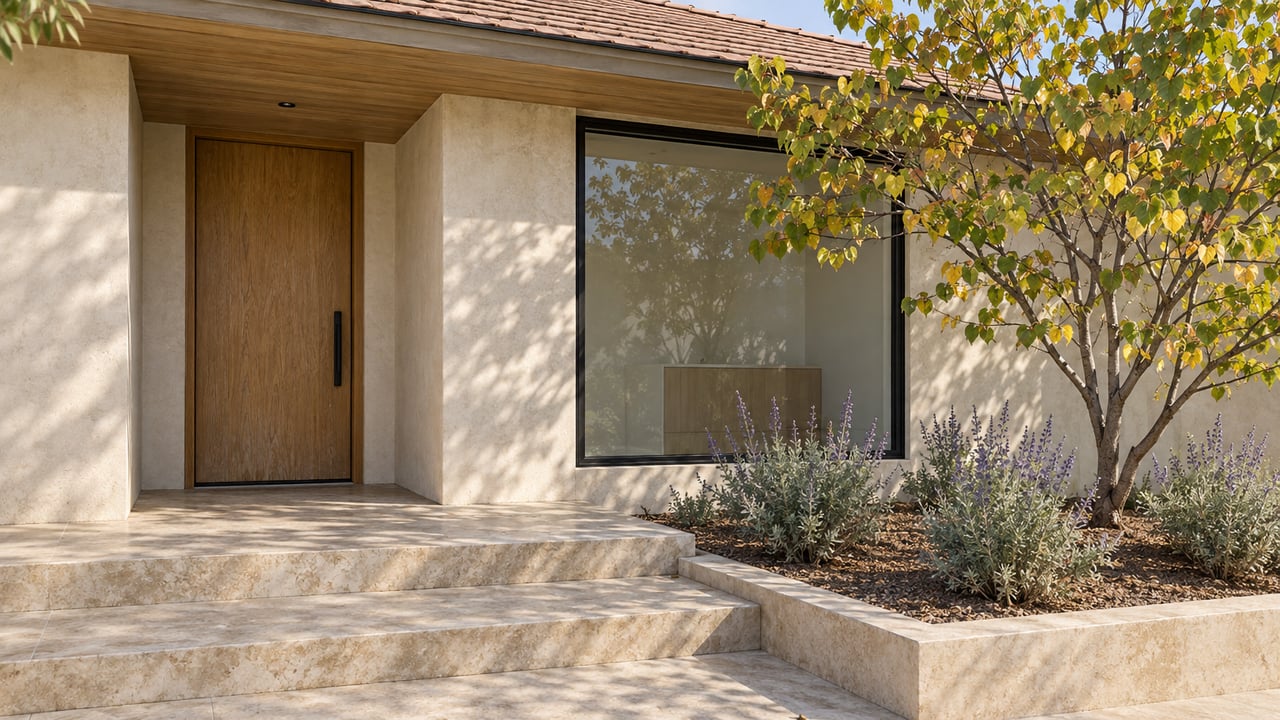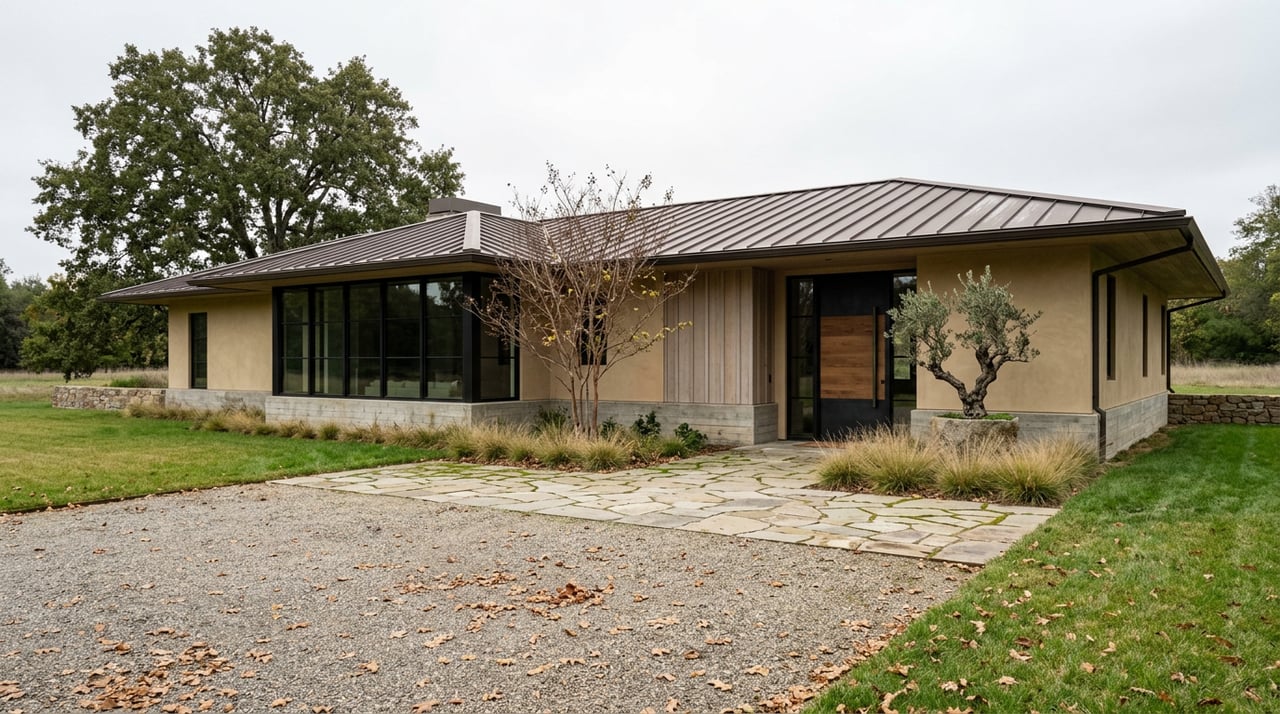
Two cabins sit a quarter mile apart outside the Arch Rock entrance. Both have three bedrooms, both post similar nightly rates, both show up in an investor's spreadsheet with nearly identical trailing-twelve-month revenue. The day escrow closes on either one, that income history stops meaning anything to the county. What actually determines whether the new owner can legally rent either cabin by the night isn't the listing history. It's a piece of paper that dies the moment title changes hands.
That piece of paper is the Transient Occupancy Tax certificate, and understanding how it works, not just that it exists, is the difference between an accurate underwriting model and an expensive surprise three months after closing.
The Certificate Belongs to the Owner, Not the House
Mariposa County's own guidance on this point, revised as recently as February 2026, is direct: if a property with an existing and permitted TOT certificate changes ownership, that certificate becomes void, and the new owner must file a full new application, pay full fees, and pass inspections again before renting the home short-term. The prior owner's approval does not carry forward. The prior owner's grandfathered bedroom count does not carry forward. Even the prior owner's parking layout gets checked against current standards, not the standards in place when they first got approved.
This matters because most STR investment content, including the revenue averages that circulate on investor forums and analytics sites, treats a listing's income history as an asset that transfers with the sale. Legally, it doesn't. What transfers is a house. The right to rent that house by the night has to be earned again, from the county, by the new owner, under whatever rules apply on the day the application is filed.
What the Buyer Actually Inherits
| While the Seller Owns It | The Day Escrow Closes | What the Buyer Must Do | |
|---|---|---|---|
| TOT Certificate | Active, tied to seller's name | Automatically void | File new application, pay new fees |
| Bedroom/Occupancy Approval | Whatever was approved at original permitting | No longer valid for new owner | Re-verified against current code |
| Inspections (Building, Fire, Health) | Passed under prior standards | Must be repeated | Scheduled and passed again |
| Advertised Rental History | Exists on booking platforms | Cannot be used to skip re-permitting |
There's one meaningful exception. Mariposa County's code amendment covering this rule specifically notes that the void-on-transfer provision does not apply when a property moves into or within a trust. It does apply to every other kind of grant deed transfer, including transfers between family members. A parent handing a cabin to an adult child outright triggers the same reapplication process as a stranger buying it at market price.
The 2016 Rule That Might Shrink the Listing You Fell in Love With
Here's where the reapplication process can produce a real financial gap, not just paperwork. Since 2016, under Ordinance 1116, new short-term rentals in Mariposa County have been capped at three bedrooms, a limit set specifically to keep septic systems sized for residential use rather than the larger wastewater loads that come with hosting bigger groups. Occupancy is separately capped at ten people or fewer for any vacation rental submitted on or after April 14, 2016, and the county's own checklist is explicit that this occupancy limit applies not only to new construction but to any vacation rental being permitted following a change of ownership.
That last clause is the one buyers miss. If the property you're purchasing was originally certified before 2016, or was certified under a legacy configuration with more bedrooms or higher occupancy than current rules allow, your reapplication doesn't inherit those older terms. You're applying under today's cap, which means a home marketed as sleeping fourteen across five bedrooms could legally cap out well below that once you're the one filing the paperwork. Parking requirements follow the same logic: the county requires one on-site parking space for every bedroom being rented, checked fresh at your application, not grandfathered from the seller's approval.
Properties inside the Mariposa Public Utility District's service area carry one more layer. MPUD requires its own review under the district's Ordinance 58 before it will sign off on a change in occupancy tied to a vacation rental application, a step worth confirming with the district directly (209-966-2515) before you assume a septic-free, sewer-connected property sidesteps the bedroom-cap logic entirely.
The Escrow Workaround, and Why Timing Matters
None of this means a buyer has to sit on a vacant, non-income-producing property for months after closing. The county allows the reapplication to start during escrow itself. The seller stays listed as the current owner, the buyer is listed as the applicant, both sign the authorization, and the application moves through the normal review process, with final approval held until escrow actually closes.
This is the single highest-leverage move available to a buyer, and it only works if someone raises it early. If your agent or your escrow officer doesn't flag this option before you're deep into the transaction, you lose the head start and end up starting the clock on inspections, fee payment, and multi-department review (Building, Fire, Health, Planning, and in some cases a Yosemite National Park review for park-adjacent parcels) only after you already own a property that can't legally generate the income you underwrote it on.
Why the County Is Still Rewriting This Rulebook
The rules above aren't static, and that's worth factoring into any five-year hold period. In March 2023, Mariposa County contracted with BAE Economics, a Davis-based firm that has produced similar studies for Placer County, Mono County, and the Town of Truckee, to analyze the STR program's effects on housing and the local economy. That study produced 26 recommendations across six categories, and a Planning Commission ad hoc committee has since floated ideas including raising the current bedroom limits and creating a housing trust fund funded in part by rental activity.
County data presented to the Housing Programs Advisory Committee in February 2024, as part of that same review, adds useful texture: the large majority of certificate holders, about 70 percent, were Mariposa homeowners earning over $55,000, while roughly 28 percent were renters, and half of those renter-operators said they wanted to buy a home of their own. That's a county where short-term rental income has functioned as a real path to local homeownership for a meaningful share of operators, not purely an outside-investor phenomenon, which is part of why the debate over tightening or loosening the rules has stayed genuinely contested rather than settling one direction.
Separately, Mariposa County adopted its 7th Cycle Housing Element for 2024 through 2029 on March 17, 2026, with certification from the California Department of Housing and Community Development following on March 24, 2026. Housing elements don't regulate STRs directly, but they set the policy backdrop the Board of Supervisors references whenever STR rules come up for a vote, and a freshly certified element gives the county fresh footing to revisit bedroom caps, certificate limits, or fee structures in the near term.
None of this is a reason to avoid buying. It's a reason to ask, at the time you're underwriting a purchase, what the current status of that Planning Commission conversation actually is, rather than assuming the rules a listing agent describes today will be the rules in place two years from now.
Questions Worth Asking Before You Write an Offer
- What is the property's current TOT certificate number, and what bedroom and occupancy count is actually on file with the county, not just what's advertised?
- Is the parcel served by Mariposa Public Utility District, and if so, has Ordinance 58 review already been discussed with MPUD?
- Does the septic system's design capacity match the advertised maximum occupancy, or only the seller's original approval?
- Is there on-site parking for every bedroom being rented, measured against current code rather than the layout shown in listing photos?
- Has the seller's agent (or the seller directly) agreed to start the escrow-period reapplication, with both parties signing the authorization, so the certificate gap at closing is as short as possible?
A Few Direct Questions
Does the certificate ever survive a sale without reapplication? Only when the property transfers into or within a trust. A standard grant deed sale, including a sale between family members, triggers the void-and-reapply process.
What if the property never had a certificate at all? You're applying from zero, under whatever code applies on your filing date, meaning the current three-bedroom cap and ten-person occupancy limit apply regardless of the home's actual layout.
How long does the reapplication realistically take? The process runs through Building, Fire, Health, and Planning, and timing depends on how quickly each department can schedule its inspection. Starting the application during escrow, with the seller's cooperation, is the most reliable way to shorten the gap between closing and legal operation.
Where This Leaves a Buyer
The number that matters most when you're evaluating a Yosemite-area rental isn't the trailing revenue on the listing sheet. It's whether that revenue is legally reproducible under your name, under today's code, starting the day you close. That's a conversation worth having with a local agent before the offer goes in, not after.
Kori Smith's team at Concierge Homes works this exact terrain regularly, including through Dylan Shull's hands-on experience managing more than two dozen short-term rentals across the Yosemite gateway communities. If you're weighing a second home or an income property near the park, reach out before you write the offer. We can help you read a listing's numbers the way the county will, not just the way the platform displays them.
This article is general information, not legal, tax or financial advice. Consult a qualified professional about your situation.